Taylor Bridge: Peace River South Needs More Than Repairs. We Need a Plan.
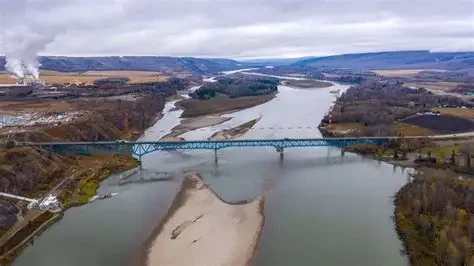
The Taylor Bridge is more than a crossing. It is a lifeline for families, workers, industry, and the entire Peace Region. I will continue pushing for a clear plan, a firm timeline, and long-term certainty.
The Taylor Bridge has been part of daily life in the Peace Region for generations. It carries workers, families, commercial vehicles, emergency services, and goods that support not only northeastern British Columbia, but the province as a whole.
But for too long, people in Peace River South have been asked to accept uncertainty.
Built in 1960, the Taylor Bridge is now more than six decades old. It spans the Peace River on Highway 97 between Dawson Creek and Fort St. John, and remains one of the most important transportation links in northern B.C. Approximately 7,500 vehicles cross this route each day, with commercial traffic making up about 30 per cent of those crossings.
That matters.
This is not just a local bridge. It is a critical economic corridor. It supports energy development, agriculture, forestry, construction, tourism, small business, and the movement of goods throughout the Peace Region and beyond. When the Taylor Bridge is delayed, restricted, or under repair, the impact is felt by families, workers, businesses, and industries across the North.
Recent reporting has once again brought attention to the condition of the bridge and the growing concern that ongoing repairs are not enough. Residents and industry leaders have raised valid questions about the long-term future of this crossing, including what happens if access becomes restricted or disrupted.
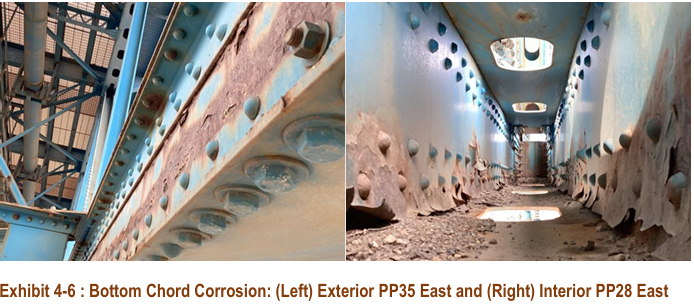
Just 2 of the many pictures of decay and disrepair
These are the questions I have been pressing in Victoria.
During the spring legislative session, I questioned the Minister of Transportation and Transit directly about the Taylor Bridge, including its original design life, replacement timeline, and what mitigation plans would be in place if the structure became inaccessible.
That advocacy is beginning to move the conversation forward.
The Minister has now publicly acknowledged the importance of the Taylor Bridge and indicated that the Province is seriously considering adding the project to its 10-year capital plan. That is a meaningful step, but it is not yet a final commitment.
Peace River South needs more than another study. We need a clear decision, a transparent timeline, and a long-term solution that reflects the importance of this crossing to our region and to British Columbia’s economy.
The Province has already invested in engineering work, geotechnical investigations, and rehabilitation efforts. Those steps matter, but they must lead somewhere. After years of studies and continued repairs, people in the Peace Region deserve to know when a real plan will be delivered.
I will continue pushing for accountability on this file because the Taylor Bridge is not optional infrastructure. It is essential.
The Peace Region powers this province, feeds this province, builds this province, and keeps goods moving across some of the most important corridors in Western Canada. Our infrastructure should reflect that reality.
When Peace River South succeeds, British Columbia succeeds.
The Taylor Bridge must remain a priority. Our region deserves certainty, safety, and a plan that looks beyond the next repair and toward the future of the North.